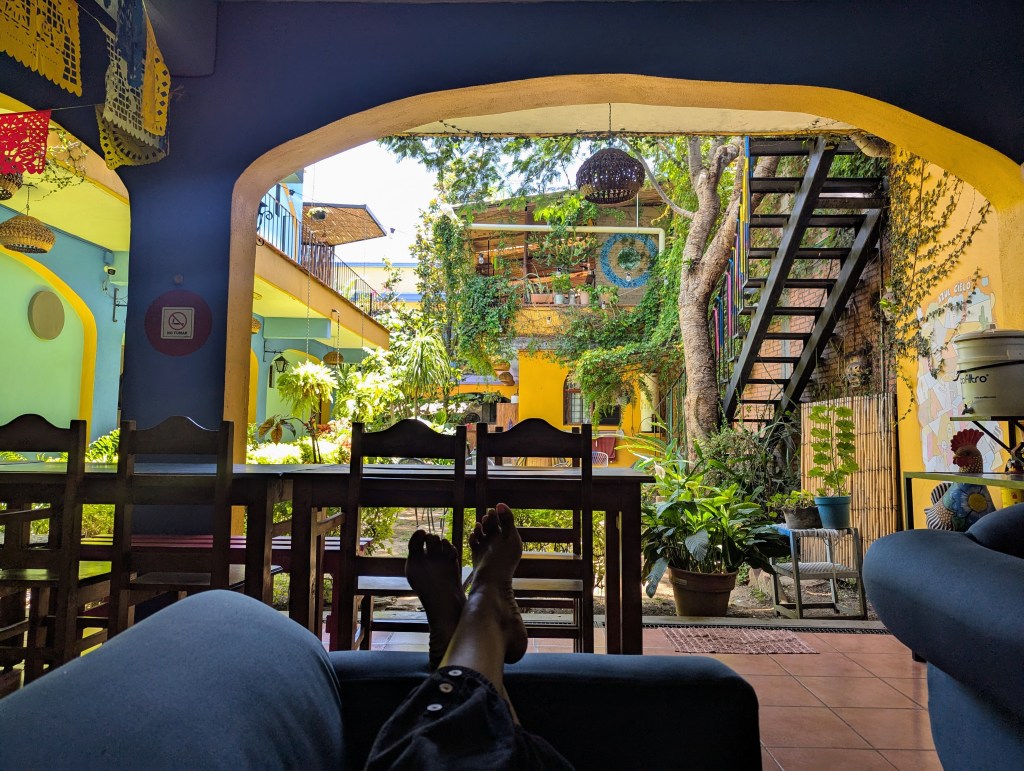
As a female solo traveler on a budget, I naturally gravitate towards hostels and the unique opportunity they present to socialize and save money.
A hostel is essentially an accommodation with social aspects that offers shared dorm-style rooms and bathrooms, along with a communal kitchen normally stocked with basic supplies and fridge space for groceries and leftovers. Hostels attract solo travelers, backpackers, and people that are looking for a discounted stay and the opportunity to meet other like-minded travelers.
However. Hostels are NOT for everyone, and I’m here to help you determine whether hostels are a good fit for you.
Dorm Rooms
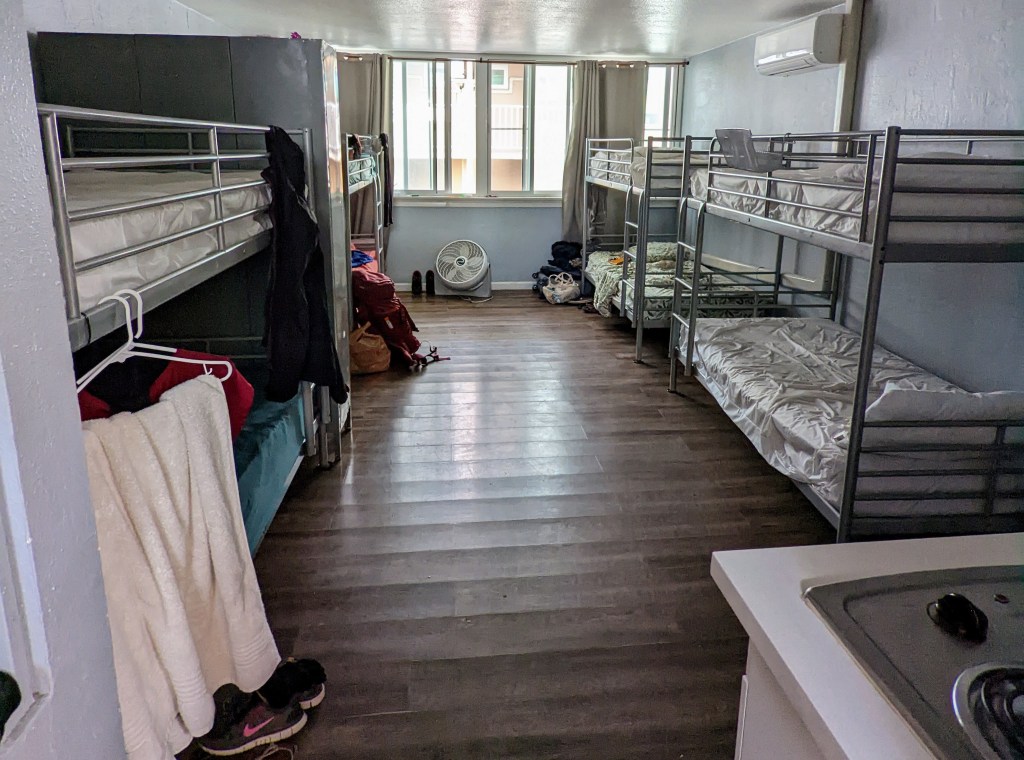
Although many hostels offer private rooms for those who desire their own space due preference or accessibility purposes, most travelers opt-in for the dorm-style rooms that normally house between 4 and 16 beds, often in the form of bunkbeds. The more beds in one room, the more you’ll likely save per night.
There’s a lot to say about sharing a room with a bunch of strangers that may or may not speak the same language as you or share the same cultural etiquette as you. For many, it’s a chance to learn something new from someone that comes from a country that you’ve never been to, or maybe never even heard of. I always try to learn a word or two from someone that speaks a different language. It’s a fun way to connect, and also signals that you are interested in their culture and willing to learn from them. This breaks the ice pretty easily from my experience staying in hostels.
As a female traveler specifically, what I appreciate about many hostels is the option to stay in a female-only dorm, aside from the traditional mixed dorm, where both men and women inhabit the same space. I have done both, and have never had any issues with either option.
Most hostels have lockers that allow you to stow away your valuables. This is a plus especially for those who travel with electronics. The only caveat is that you will likely need to provide your own padlock. Many hostels sell them at their front desk for a small fee, but I’ve always preferred to bring my own.
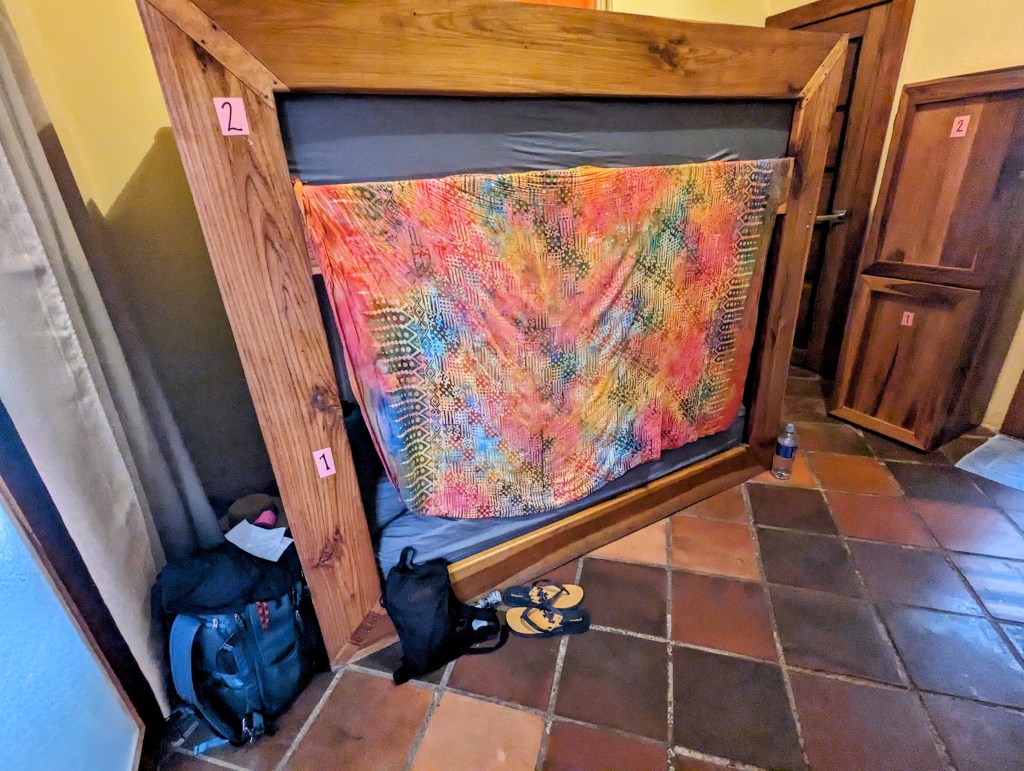
Many dorms in more modernized hostels also come equipped with curtains installed in your bed for some privacy when you want to recharge without worrying about feeling the need to socialize. In the instances where a curtain isn’t included and you find yourself on a bottom bunk, try using a sheet or large towel to stuff in between the the mattress above you (without bothering your neighbor, of course!). This will act as a make shift barrier for privacy. I have a thin and lightweight sarong that I travel with that I use not only as a cover up for warm weather, but also as a shawl when I need an extra layer of warmth. It triples as a bunk curtain when needed!
If the idea of people coming in and out of your dorm room sounds like a nuisance, or if you are easily bothered by or ill-equipped for fluctuating noise levels from the possibility of snoring, conversations, and roommates coming in during your nap or in the middle of the night, a private room may serve you best, or at the very least, a dorm that has the least amount of mates possible. This, of course, will cost a little extra, but for many people, it is worth the quieter environment.
Pros:
- Meet new people
- Choice for female-only rooms
- Privacy curtains for some accommodations
Cons:
- Noise levels
- Always a revolving door of new guests
- Privacy curtains are not a guarantee
Included Meals & Dedicated Kitchen Space
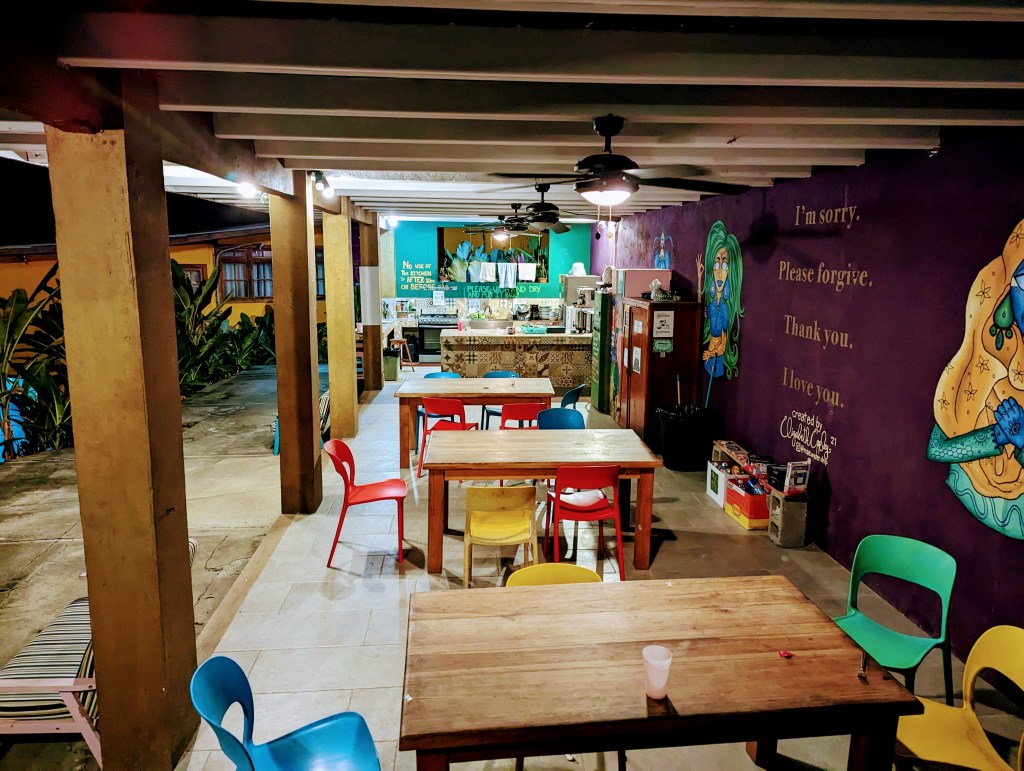
Several hostels that I’ve stayed at include free breakfast every morning. For someone that is more concerned about saving money and time by being provided an oftentimes healthy breakfast, I much prefer to eat what the hostel has to offer. It is has also been common in my experience to be offered a gluten-free option for those with a sensitive system.
Another plus to free meals is that you are normally eating amongst your hostel-mates. I’ve had some really interesting conversations with equally interesting people from all over the globe. To me, it’s a great way to start your day, and even an opportunity to find people to go on adventures with or get some insight on attractions you want to see that they just experienced the day before.
Having access to a full kitchen where you can store groceries to cook for yourself is ideal for most shoestring travelers. Normally equipped with all of the cooking utensils and tools that you need, and even basic spices and oils at times, you’ll have everything needed to sustain yourself for most, if not all, of your meals.
For some, however, the idea of communing with strangers every morning over food that you may or may not enjoy may not be preferred, especially for those who aren’t morning people. More often than not the kitchen is occupied by one if not several other people, and perhaps the supplies that the kitchen has to offer isn’t quite up to your standards.
Pros:
- Free meals
- Kitchen and refrigerator access
- Possible gluten free/allergy choices
- Opportunity to socialize
Cons:
- Feeling obligated to socialize
- Overcrowded eating and cooking areas
- Possibly worn kitchen wear
Hostel Activities and Tours
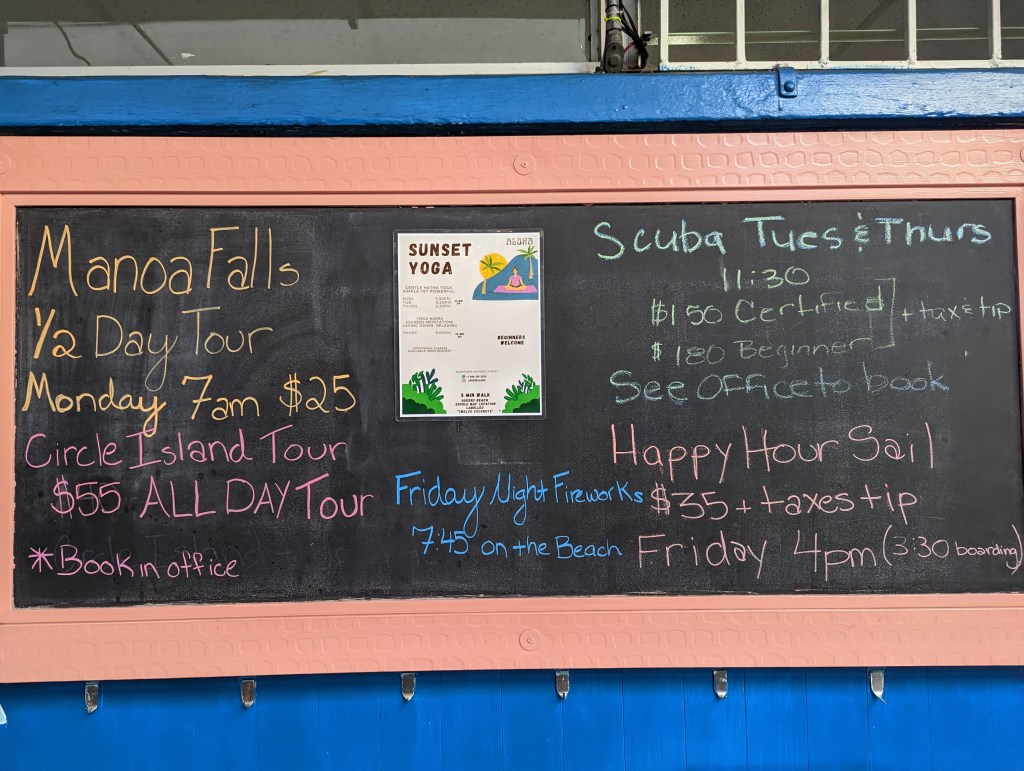
Many people that choose hostels as their choice of stay take advantage of their discounted tours and in-house activities.
There are tons of hostels out there that have bars and pools that serve as gathering spots to hold weekly or daily games and activities, from happy hour to salsa lessons. Guests from other hostels are oftentimes encouraged to visit and join the fun, too!
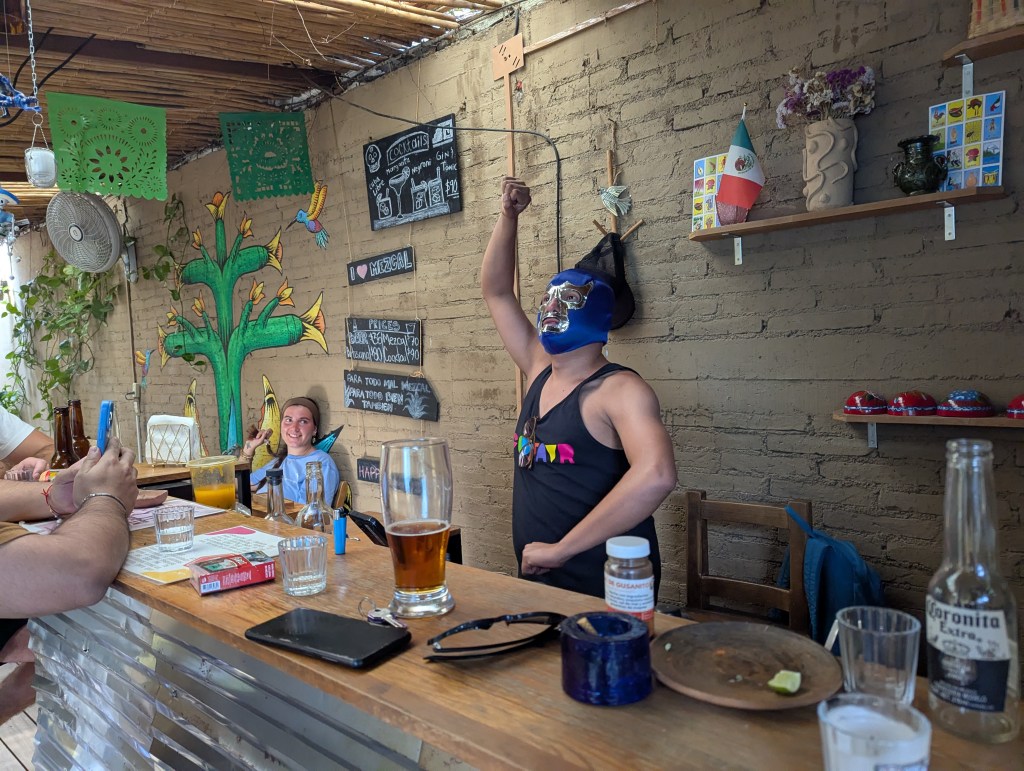
Staying in hostels gives you the opportunity to take advantage of tours that their staff offers. One particular hostel I stayed in in Oaxaca, Mexico, took us to a local Lucha Libre wrestling match, but not before enjoying some chapulines (fried crickets), followed by a few shots of mezcal tequila and a mask to wear to the event and keep as a momento!
You can also ask the front desk if they have discounts for popular tours that they may not offer themselves, but may get a kickback if you sign up through the hostel. Another plus is that they may even handle all of the logistics for you, so your only job is to show up at the front desk and wait for your ride on the day of the tour!
There are, of course, some things to consider when you choose a hostel that hosts activities regularly. Noise may be an issue for some that are looking for a more peaceful environment during their stay. It may be best to reconsider hostels that have bars, because they normally attract a rowdier and younger crowd that is more party oriented. I’d also recommend sifting through reviews to get an idea of the overall vibe that a hostel may have to determine if it’s a good fit for you.
Pro:
- Free activities throughout the week
- Discounted tours
- Hostel-hosted tours
Cons:
- Noise levels
- Party crowd depending on activities offered
- Overcrowded during activities
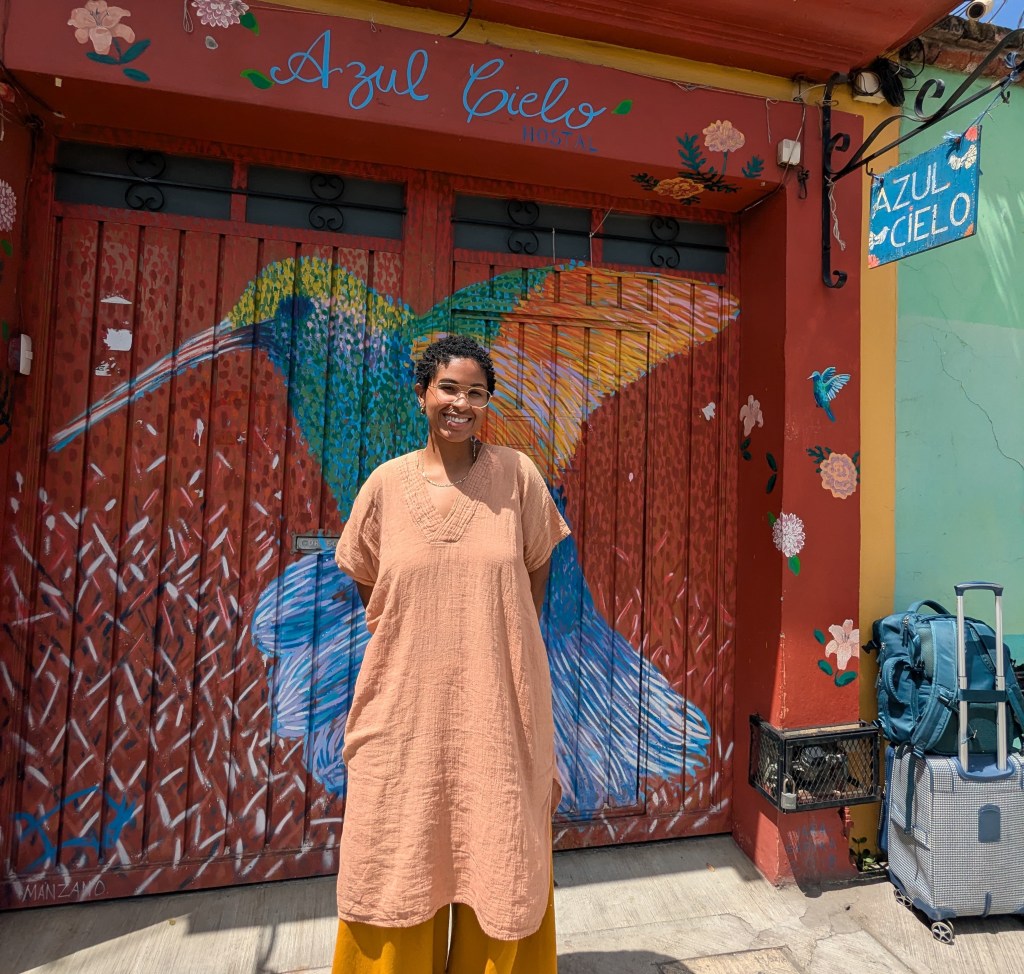
There is an amount of control that you have to sacrifice in certain aspects of hostel-life. Free meals and kitchen space, dorm-style accommodations, and hostel activities may sound like a dream to some, but a headache to others. It’s ultimately up to you to decide if you are a good fit. No judgement either way!
Have you ever stayed in a hostel? If so, what was the highlight of your stay? If you’re still considering it, what’s stopping you from trying one out? Happy traveling!
 Jonaye L. Barnum